

Kópsvatn geothermal power plant design and untapped heat potential
The untapped heat potential of Iceland
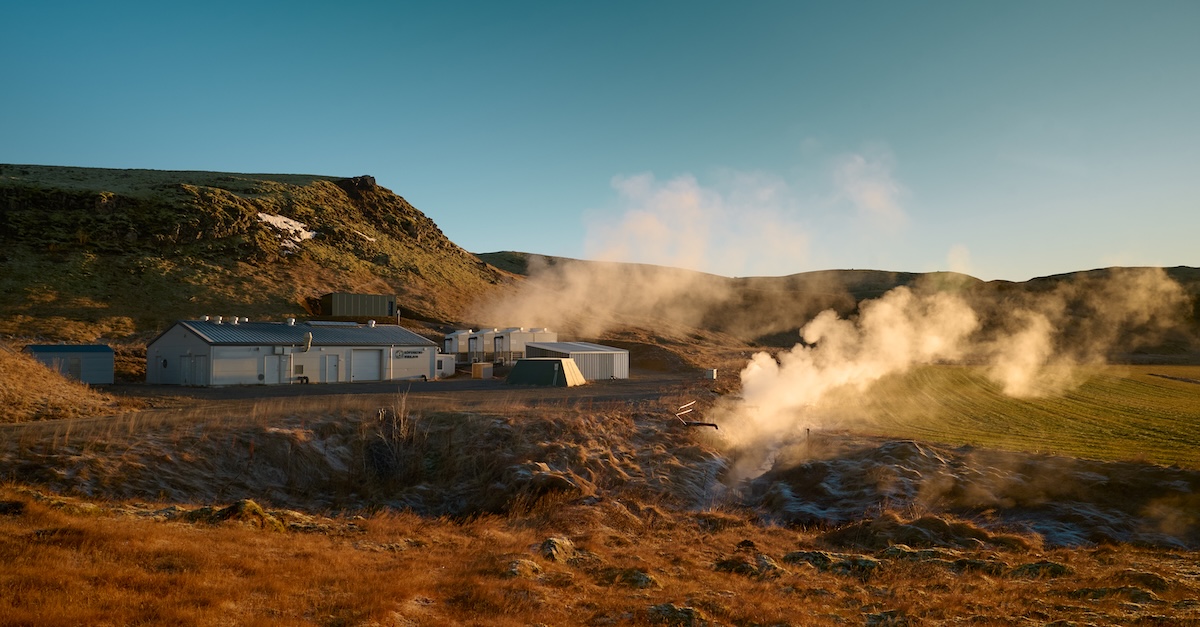
The Kópsvatn geothermal power plant, located near Flúðir in South Iceland, is originally designed as a small-scale binary-cycle geothermal facility with an installed capacity of 600kW electric while also producing hot water for district heating. Construction started in the spring of 2018 and was completed during the autumn of the same year.
The plant utilizes geothermal fluid from well KV-02, extracted with an electrical submersible pump, which produces water at approximately 117°C, suitable for both electricity generation and thermal applications.
The plant operates by extracting heat from the geothermal fluid to generate electricity, after which the cooled but still hot water – typically around 85°C – is available for further use. A portion of this water is currently supplied to the Flúðir District Heating (DH) network, used for heating of homes, greenhouses, bathing and more.
A significant volume of the 85°C hot water still remains unused today, while the heat market is expected to grow gradually over the coming years. This surplus thermal energy offers a compelling opportunity to develop on-site geothermal ecosystem that enhances sustainability, creates local value, and showcases Iceland’s leadership in geothermal innovation.
With temperatures ideal for low-temperature applications, it could support:
-
- Greenhouse agriculture
- Aquaculture
- Spa and wellness facilities
- Food processing or drying
- Local industrial heating
However many industrial operations using heat may need higher temperatures for their processes than the 85°C available from the Kópsvatn plant. One such example of potential use of excess heat at elevated temperatures is for a nearby mushroom farm that need higher temperature water, on a regular basis, to disinfect the soil that the mushrooms grow in.
This is the main contributions of the GEOFLEXheat project, a Horizon Europe initiative focused on geothermal extraction and upgrade with flexible usage for industrial heat applications. GEOFLEXheat introduces a suite of technologies—including high-temperature heat pumps and advanced heat exchangers—that can elevate the temperature of geothermal brine and deliver cost-effective, high-grade heat for industrial and agricultural use.
At Kópsvatn, this means:
-
- Upgrading the available hot water to higher temperatures for greenhouses and agricultural operations, such as soil disinfection for vegetable production.
- Decentralized deployment of high-temperature heat pumps near end-users, allowing tailored heat delivery beyond the standard DH network temperature.
- Creating new value streams by transforming unused heat into a reliable and sustainable energy source for local businesses.
By integrating GEOFLEXheat technologies, Kópsvatn can evolve into a flexible geothermal hub, supporting both the district heating system and specialized industrial processes. This aligns with the project’s broader goals of enhancing geothermal efficiency, supporting energy resilience, and accelerating the transition to renewable heat systems across Europe.
Kópsvatn geothermal power plant design and untapped heat potential
The untapped heat potential of Iceland
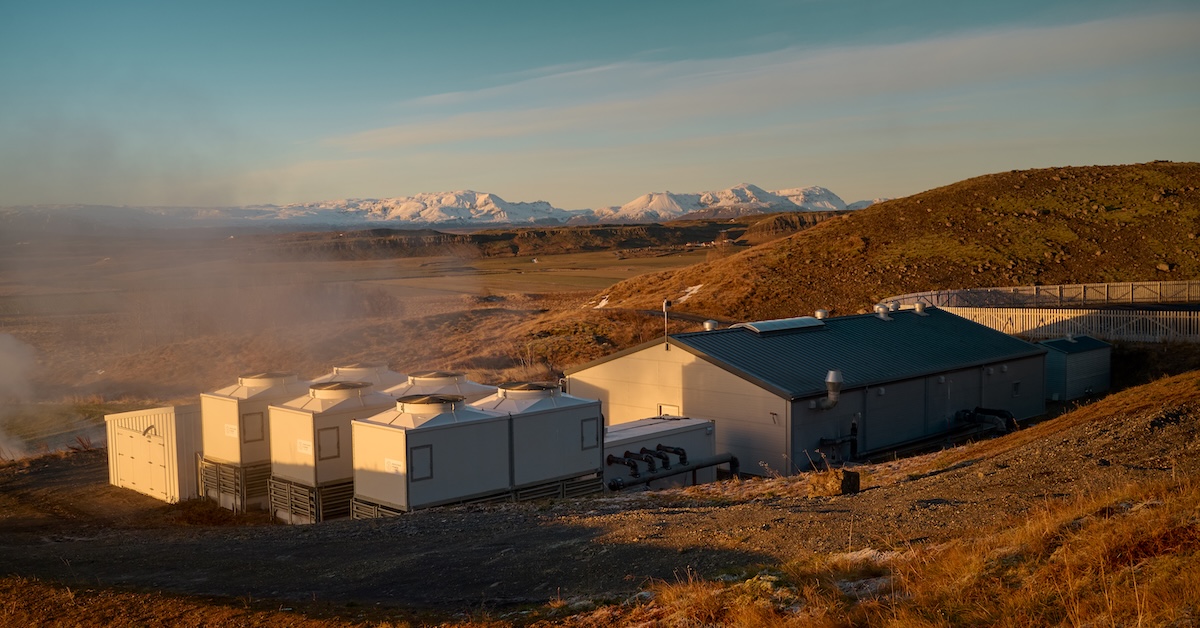
The Kópsvatn geothermal power plant, located near Flúðir in South Iceland, is originally designed as a small-scale binary-cycle geothermal facility with an installed capacity of 600kW electric while also producing hot water for district heating. Construction started in the spring of 2018 and was completed during the autumn of the same year.
The plant utilizes geothermal fluid from well KV-02, extracted with an electrical submersible pump, which produces water at approximately 117°C, suitable for both electricity generation and thermal applications.
The plant operates by extracting heat from the geothermal fluid to generate electricity, after which the cooled but still hot water – typically around 85°C – is available for further use. A portion of this water is currently supplied to the Flúðir District Heating (DH) network, used for heating of homes, greenhouses, bathing and more.
A significant volume of the 85°C hot water still remains unused today, while the heat market is expected to grow gradually over the coming years. This surplus thermal energy offers a compelling opportunity to develop on-site geothermal ecosystem that enhances sustainability, creates local value, and showcases Iceland’s leadership in geothermal innovation.
With temperatures ideal for low-temperature applications, it could support:
-
- Greenhouse agriculture
- Aquaculture
- Spa and wellness facilities
- Food processing or drying
- Local industrial heating
However many industrial operations using heat may need higher temperatures for their processes than the 85°C available from the Kópsvatn plant. One such example of potential use of excess heat at elevated temperatures is for a nearby mushroom farm that need higher temperature water, on a regular basis, to disinfect the soil that the mushrooms grow in.
This is the main contributions of the GEOFLEXheat project, a Horizon Europe initiative focused on geothermal extraction and upgrade with flexible usage for industrial heat applications. GEOFLEXheat introduces a suite of technologies—including high-temperature heat pumps and advanced heat exchangers—that can elevate the temperature of geothermal brine and deliver cost-effective, high-grade heat for industrial and agricultural use.
At Kópsvatn, this means:
-
- Upgrading the available hot water to higher temperatures for greenhouses and agricultural operations, such as soil disinfection for vegetable production.
- Decentralized deployment of high-temperature heat pumps near end-users, allowing tailored heat delivery beyond the standard DH network temperature.
- Creating new value streams by transforming unused heat into a reliable and sustainable energy source for local businesses.
By integrating GEOFLEXheat technologies, Kópsvatn can evolve into a flexible geothermal hub, supporting both the district heating system and specialized industrial processes. This aligns with the project’s broader goals of enhancing geothermal efficiency, supporting energy resilience, and accelerating the transition to renewable heat systems across Europe.